
Published September 1, 2026
The Difference Between a Ghost and a Warrior


The Difference Between a Ghost and a Warrior
How often do you accomplish something difficult, feel good about it for a moment, and then immediately move on to whatever comes next?
I'm guilty of it.
We hit a goal. Solve a problem. Make it through a difficult season. Do something that once intimidated us. And instead of stopping to recognize what it took to get there, we turn our attention to the next thing on the list.
It can feel productive.
But we may be leaving something important behind.
Each month, our company, PLACE, gives us access to a coaching session with Brendon Burchard, a New York Times bestselling author and high-performance coach. I always walk away from these conversations with something to think about, but his August session, Your Past Is Not Your Future, gave me an idea I haven't been able to stop thinking about.
It was the difference between moving through life like a ghost and showing up like a warrior.
Are You Giving Yourself Credit for How Far You've Come?
One of Brendon's points was that many of us don't give ourselves enough credit for our past wins.
We experience them, but we don't necessarily absorb them.
Think about your own life for a minute.
There was probably a time when something you're comfortable doing today felt incredibly difficult.
Maybe you started a business.
Changed careers.
Bought your first home.
Moved somewhere you'd never lived before.
Raised a family through a difficult season.
Recovered from a professional setback.
Had a conversation you had been avoiding.
Took a risk without knowing exactly how things would turn out.
At the time, it may have consumed your thoughts. You wondered whether you were making the right decision or whether you could actually handle what came next.
Then you did.
And eventually, you moved on.
The problem is that if we continually move forward without giving ourselves credit for what we've already accomplished, we can become disconnected from the very experiences that should be building our confidence.
What Does It Mean to Move Through Life Like a Ghost?
Brendon described someone who hasn't integrated their past accomplishments as moving through life like a ghost.
That image stuck with me.
You've done hard things. You've learned lessons. You've overcome setbacks. You've built skills.
But if you don't consciously connect those experiences to who you are today, it's almost as though they happened to someone else.
Then the next challenge arrives and you question yourself all over again.
Can I really do this?
Am I capable of handling this?
What if I fail?
Meanwhile, your own life has already given you evidence that you're more capable than you're giving yourself credit for.
The Warrior Has Evidence
The warrior approaches the next challenge differently.
Not because they're fearless.
Not because everything they've tried has worked.
And certainly not because life suddenly became easy.
The difference is that they've integrated what they've already experienced.
They can look backward and recognize:
I've been challenged before.
I've figured things out before.
I've adapted before.
I've done things I wasn't sure I could do before.
That doesn't guarantee the next thing will work exactly as planned.
It does give you something much more useful than blind optimism: evidence.
You know more about yourself because you've taken the time to learn from what you've already done.
Celebrating a Win and Integrating a Win Aren't the Same Thing
This was probably my biggest takeaway from the session.
Celebrating an accomplishment is important.
Go to dinner. Open the bottle of wine. Take the trip. Buy yourself something you've wanted. Call the people who helped you get there and celebrate together.
Enjoy it.
But celebration and integration serve two different purposes.
Celebration says: I did it.
Integration asks: How did I do it?
That's a much more powerful question.
Maybe you stayed consistent long after the initial excitement wore off.
Maybe you finally asked someone for help.
Maybe you had to become more disciplined.
Maybe you stopped doing something that wasn't working.
Maybe you learned how to communicate more clearly.
Maybe you kept going through a period when there was very little evidence that your work would pay off.
Maybe you trusted yourself.
Those are the things worth identifying.
Because once you understand what contributed to a win, you can use those lessons again.
Don't Just Remember the Outcome. Remember Who You Became.
There's another reason I think this matters.
Sometimes when we look back at an accomplishment, we remember the result without remembering the person we had to become to achieve it.
That's especially true with goals that take a long time.
By the time we reach them, the habits, knowledge, relationships, and skills we've developed can feel normal.
But they weren't always normal.
You built them.
That's worth recognizing.
The goal isn't to live in the past or continually remind everyone of what you've accomplished.
It's to carry the lessons forward.
Try This With One of Your Own Wins
Think of something you've accomplished that you're genuinely proud of.
It doesn't have to be the biggest accomplishment of your life.
Now, instead of simply remembering what happened, ask yourself:
- What did I do that helped create that result?
- What was difficult about it?
- What did I have to learn?
- Where did I have to change?
- What did I keep doing even when I wasn't sure it would work?
- Who helped me along the way?
- What does that experience prove about me?
- Which of those lessons could help me with what I'm facing now?
That's integration.
You're turning an experience into information you can use.
And I think many of us could benefit from doing a little more of it.
You've Already Built More Than You Think
We're often very aware of how far we still have to go.
The next goal.
The next problem.
The next level.
The thing we haven't figured out yet.
Ambition can keep us looking forward so consistently that we forget to occasionally turn around.
Look at the ground you've already covered.
Look at the things that once scared you but no longer do.
Look at the decisions you know how to make today that would have overwhelmed you five or ten years ago.
Look at the person you've become along the way.
Your past doesn't determine your future. But that doesn't mean you should leave all of its lessons behind.
As Brendon said during our session:
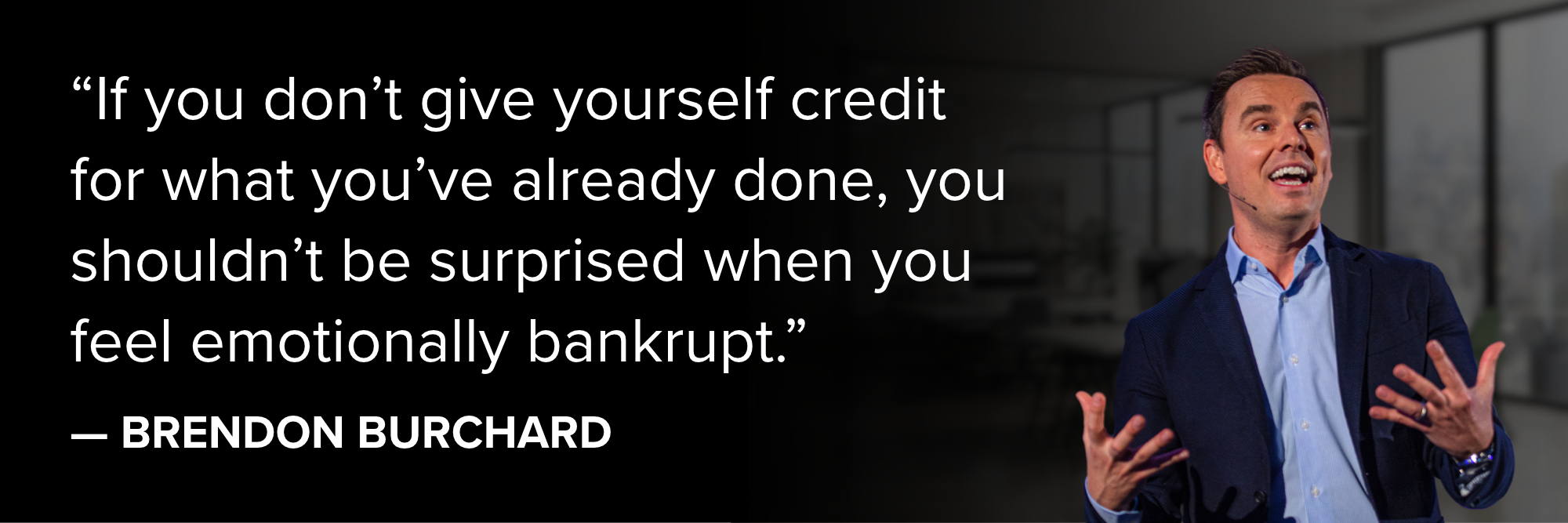
That line stuck with me because giving yourself credit isn't about ego.
It's about evidence.
You've already survived things you weren't sure you could handle. You've solved problems you once didn't know how to solve. You've grown in ways you probably didn't notice while they were happening.
Don't move past those experiences like a ghost.
Integrate them.
Learn from them.
Carry them with you.
Then take that evidence into whatever comes next.
Search Homes • Buyer Services • Meet the EO&A Team
Contact EO&A today to schedule your free home value review.
Your Trusted Real Estate Advisors across Northern California
Whether you’re planning to sell in San Francisco, Marin, Napa, Sonoma, Solano, Yolo, Sacramento, Contra Costa, or Alameda County, our team has local experts ready to help you navigate your next move with confidence and strategy.
EO&A Team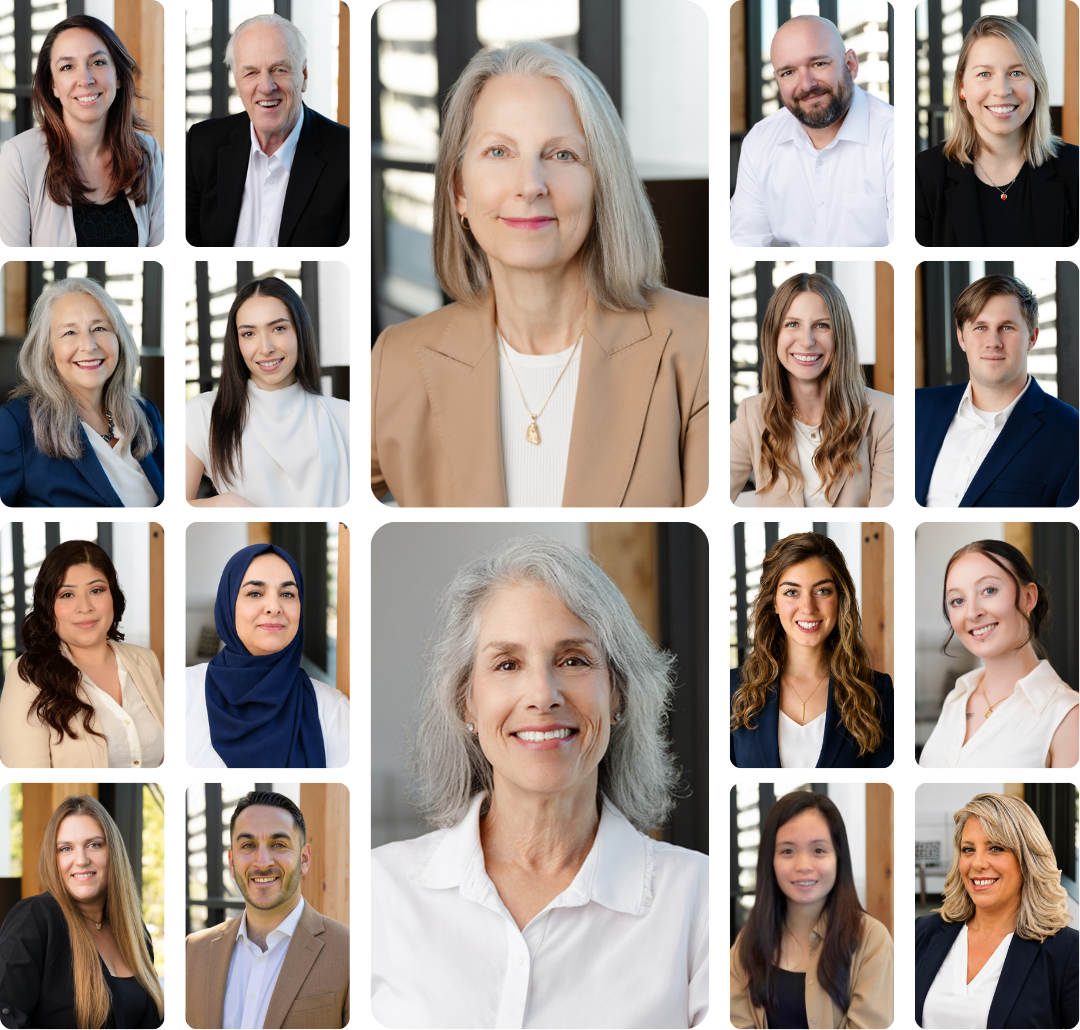
Elizabeth, Anne, Ian, Ksenia, Cliff, Annie, Mike, Nina, Sidra, Karen, Annie, Elizabeth, Steven, Gladys, Venus, Najat, Courtney, and Anú
707.312.0819 • hello@eoanda.com • www.eoanda.com
DRE# 01388551 • GUIDE Real Estate DRE# 01976964

Anne Kennedy
Broker Associate | EO&A | Real Estate in Napa, Sonoma, Solano, Marin, and San Francisco
or another way